

Ballet or Gymnastics for Kids: How to Choose the Right Fit
20/10/2026
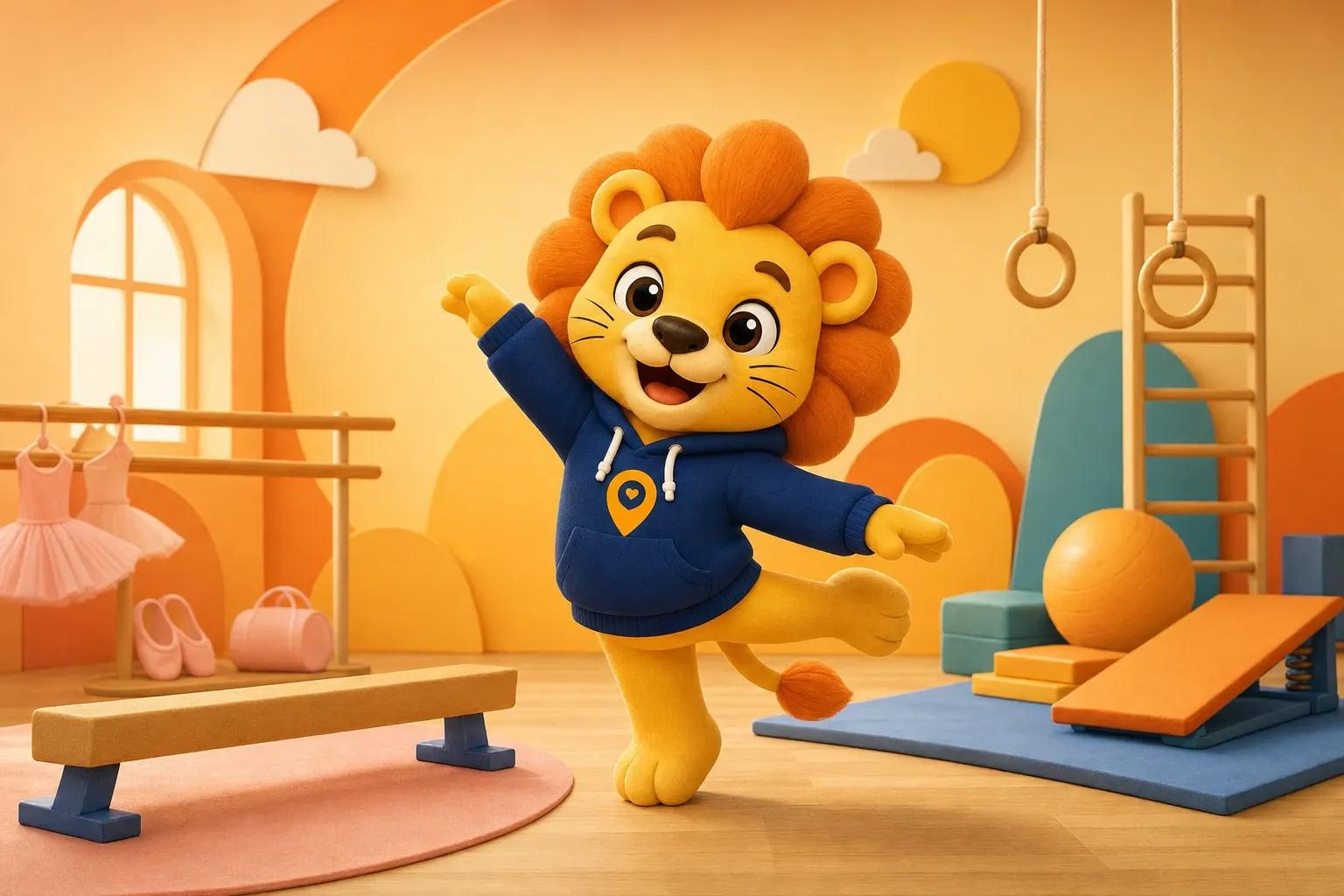
Choosing between ballet or gymnastics for kids is not a question of which activity is superior. Both can introduce children to structured movement, listening, repetition and group participation. The more useful question is: which lesson environment fits your child’s current interests, temperament and readiness?
For preschoolers and early school-age children, enjoyment matters more than early specialization. A welcoming teacher, an age-appropriate lesson and a manageable schedule are usually more important than choosing the “right” discipline immediately. Children can also try one activity, change their minds or explore both at different times.
This guide compares the typical lesson format, training rhythm and atmosphere of ballet and gymnastics, with a particular focus on activities for 4, 5 and 6 year olds.
Ballet and gymnastics at a glance
Ballet classes usually organize movement around music, rhythm and repeated sequences. Younger groups may use stories, imagery, simple games and props before gradually introducing more formal ballet vocabulary. Children often move together, copy the teacher and practise remembering a sequence from beginning to end.
Gymnastics classes usually organize movement around physical skills and stations. Depending on the program and facility, children might practise rolling, balancing, jumping, landing or moving through a simple circuit. The group may rotate between activities rather than performing the same sequence together for the entire lesson.
These are broad patterns, not universal rules. A creative ballet class can feel energetic and playful, while a preschool gymnastics class can be calm and highly structured. The teacher’s approach may shape the experience as much as the activity itself.
| Comparison point | Ballet for kids | Gymnastics for kids |
|---|---|---|
| Main lesson focus | Music, movement patterns and expression | Movement skills, apparatus or activity stations |
| Common group rhythm | Children often follow movements together | Children may rotate through different stations |
| Type of repetition | Repeating steps, positions or short combinations | Repeating individual skills or movement circuits |
| Typical instructions | Demonstration, imagery, musical cues and correction | Demonstration, physical cues, station rules and correction |
| Environment | Studio space, music and shared choreography | Open gym space, mats and activity equipment |
What a ballet lesson may feel like
A ballet lesson for young children may begin with a welcome activity or warm-up, followed by musical movement, simple positions, travelling steps and a closing exercise. Preschool classes often combine structure with imagination. Children might be invited to move like a character, respond to changes in music or remember a short movement pattern.
As children become ready for more formal instruction, lessons may include greater attention to the order and detail of movements. This does not mean that a beginner needs to be naturally precise or quiet. It means the child should gradually become comfortable watching a demonstration, waiting for a cue and trying a sequence more than once.
Ballet may appeal to a child who:
- regularly responds to music by moving or dancing;
- enjoys pretend play, stories and expressive movement;
- likes copying gestures and remembering sequences;
- feels comfortable moving as part of a group;
- is interested in repeating details to make a movement more familiar.
A child does not need to match every point on this list. Interest can appear during a trial lesson rather than before it.
What a gymnastics lesson may feel like
A gymnastics lesson for young children may begin with a group warm-up before moving into stations or a circuit. Activities can involve basic shapes, balance, rolling, jumping and controlled landings. Preschool rhythmic gymnastics may also incorporate music and handheld apparatus, showing that gymnastics programs can differ significantly from one another.
Because lessons may use several stations, the rhythm can feel varied. A child may spend a short period on one task, move to another and return to a similar skill later. Instructions about where to wait, when to start and how to use the space are therefore an important part of the class.
Gymnastics may appeal to a child who:
- frequently climbs, rolls, jumps or experiments with balance;
- enjoys a series of short physical challenges;
- likes seeing a clear task and trying it again;
- responds well to station-based lessons;
- is curious about learning different ways to move through space.
Some children need time to become comfortable with unfamiliar equipment or physical assistance from an instructor. Parents can ask in advance how teachers explain new skills and request consent before hands-on support.
Lesson format: continuous flow or rotating stations
One of the clearest differences between ballet and gymnastics for kids is how the lesson may move from one activity to the next.
In ballet, the class often shares a common flow. Children may perform the same warm-up, movement game or combination at the same time. Even when they cross the room individually or in small groups, the lesson is usually connected by music and a planned sequence.
In gymnastics, different skills may be separated into stations. Children might take turns, follow a circuit or work in small groups. This can create frequent changes of focus, although waiting and transitions can be difficult for some preschoolers.
Watch how your child handles these patterns outside class. Do they enjoy joining a group dance and following a song from start to finish? Or do they prefer moving between climbing, jumping and balancing activities? These observations can help, but a trial session provides better information than assumptions alone.
Training rhythm and family schedule
The practical rhythm of an activity extends beyond the lesson itself. Before enrolling, ask how frequently the group meets, how long each session lasts, whether attendance is expected for a full term and whether performances, assessments or competitions are optional.
A recreational class should fit the child’s wider week. Preschool and early school-age children still need time for free play, rest and unstructured family life. A schedule that repeatedly conflicts with meals, sleep or other commitments can make an enjoyable activity feel stressful.
Also consider the type of repetition involved. Ballet may revisit movements and combinations across several lessons. Gymnastics may repeat a physical skill at a station before introducing the next step. Neither rhythm is inherently easier. The relevant question is whether the pace keeps your child interested without creating pressure.
Parents should be cautious about treating an early start as a commitment to specialize. At this age, trying different forms of movement can be more appropriate than building the week around intensive training in one discipline.
Activities for 4, 5 and 6 year olds
Age labels can be useful, but readiness varies. Two children of the same age may differ in attention, confidence, communication and comfort in a group.
At age 4
Look for short instructions, demonstrations children can copy and plenty of playful movement. A four-year-old class should not depend on long explanations or sustained technical correction. Ask whether children can observe a session or take a trial lesson before committing.
At age 5
Many children are becoming more comfortable with simple routines and group expectations, but they still benefit from imagination, variety and frequent opportunities to move. Either ballet or gymnastics can work when the instruction remains age-appropriate and the atmosphere is encouraging.
At age 6
Some children are ready for more structured sequences, clearer skill progressions or simple performance goals. Others still prefer a play-led format. Rather than choosing by age alone, consider whether the child understands instructions, enjoys the class rhythm and feels comfortable with the teacher.
What is a suitable activity for a preschooler?
There is no single answer for every preschooler. A suitable program focuses on participation, exploration and enjoyment rather than comparison, strict competition or promises of rapid progress.
The atmosphere is especially important. During a visit or trial class, notice whether:
- instructions are clear and appropriate for the group’s age;
- children spend most of the session participating rather than waiting;
- mistakes are treated as part of learning;
- teachers avoid comparing children’s bodies or abilities;
- children can ask for help or decline an activity that worries them;
- parents receive clear information about supervision and communication;
- the group appears engaged without being pressured.
For gymnastics, ask how instructors introduce equipment, supervise stations and handle physical spotting. For ballet, ask how the teacher balances technique with creative movement and whether performances or assessments are optional. For either activity, learn how the organization manages parental access, changing areas, photography and concerns about a child’s welfare.
Use a trial lesson as a practical comparison
If possible, arrange a trial in each activity rather than asking your child to decide from photos or videos. One session will not reveal everything, but it can show how the child responds to the teacher, room, group and lesson pace.
Afterward, keep the conversation simple. Instead of asking whether your child was good at it, try:
- What part did you enjoy?
- Was there anything you wanted to try again?
- Did you understand what the teacher wanted you to do?
- How did you feel when the class ended?
- Would you like to return another day?
Pay attention to behaviour as well as words. Temporary shyness in a new setting is common, so reluctance at the door does not automatically mean the activity is unsuitable. On the other hand, repeated distress, fear of the instructor or pressure around performance deserves attention.
Finding ballet, gymnastics and other local activities
The final choice often depends on what is available nearby and whether the timetable works for the family. With Playroom Nearby, parents can discover children’s classes, sports, workshops, playrooms, playgrounds and other activities in Belgrade and Novi Sad. You can search by age, activity type and location or browse options on a map.
When comparing local clubs and studios, confirm current program details directly with the organizer. Ask about the lesson format, schedule, trial options, clothing or equipment requirements, parent observation and the experience expected from beginners.
A decision does not have to be permanent
Ballet and gymnastics offer different ways to experience structured movement. Ballet commonly emphasizes music, shared sequences and expression, while gymnastics commonly emphasizes individual movement skills, stations and physical problem-solving. A child may enjoy either environment, both environments or neither at a particular stage.
Choose the class where your child appears interested, respected and comfortable enough to participate. Start with a manageable schedule, observe how the experience develops and remain open to changing direction. At ages 4, 5 and 6, discovering what feels enjoyable is more valuable than making a long-term commitment too early.